
Best Practices for Six Sigma in Healthcare dramatically enhance community health centers' operations through data-driven process improvement. Key benefits include:
– Reducing Errors: 15% decrease in medical mistakes through root cause analyses.
– Efficient Processes: Streamlined patient intake, medication management, and billing using project-based initiatives.
– Data-Driven Decisions: Tools like the 5 Whys and fishbone diagrams for accurate problem solving.
– Improved Patient Outcomes: Enhanced infection control, efficient triage, and reduced claim processing time (25%).
– Continuous Improvement: Regular reviews, tailored KPIs, and customer satisfaction surveys drive ongoing excellence.
Community health centers play a vital role in addressing healthcare disparities, especially for underserved populations. However, operational inefficiencies can hinder their ability to deliver quality care. This article explores the significant benefits of implementing Six Sigma best practices within community health centers. By leveraging data-driven approaches and process improvements, these organizations can enhance patient outcomes, reduce costs, and improve overall operational excellence. We will delve into specific strategies that have proven effective in enhancing service delivery and fostering sustainable growth, ultimately ensuring better healthcare access for all.
- Understanding Six Sigma's Impact on Community Health
- Implementing Best Practices for Healthcare Improvement
- Data Analysis: Unlocking Efficiency in Community Clinics
- Enhancing Patient Care Through Continuous Quality Management
Understanding Six Sigma's Impact on Community Health

Six Sigma, with its emphasis on process improvement and quality control, offers a transformative approach to healthcare delivery, particularly within community health centers. By implementing best practices for Six Sigma in healthcare, these centers can significantly enhance patient outcomes and operational efficiency. One of the key benefits lies in its ability to conduct thorough root cause analyses for healthcare errors, allowing professionals to identify and eliminate recurring issues. For instance, a study by the American Journal of Managed Care revealed that Six Sigma methodologies reduced medical errors by 15% in hospitals adopting these practices.
Top strategies for quality improvement using Six Sigma include project-based initiatives aimed at specific areas of concern. For community health centers, potential projects could focus on streamlining patient intake processes or improving medication management to reduce errors and enhance safety. For instance, a center might design a Six Sigma project to optimize the discharge planning process, ensuring smoother transitions for patients from inpatient to outpatient care—a strategy supported by research indicating improved patient satisfaction and reduced readmission rates with such interventions.
How to conduct root cause analyses is a critical skill for healthcare professionals embracing Six Sigma. By employing structured methods, such as the 5 Whys technique, organizations can uncover the fundamental causes of problems. This proactive approach enables healthcare teams to implement effective solutions that go beyond temporary fixes. Additionally, exploring six sigma project ideas for hospitals, tailored to community health center settings, can lead to substantial gains in quality and efficiency. These may include projects focused on reducing wait times or improving communication between departments.
Incorporating Six Sigma training into the nursing curriculum is a strategic move, as it equips professionals with valuable skills. For instance, nurses trained in Six Sigma can play pivotal roles in identifying and addressing inefficiencies in patient care workflows. Moreover, these trained nurses can lead quality improvement initiatives within their organizations. This expertise aligns perfectly with the mission of community health centers, where improving patient discharge planning using Six Sigma methodologies can significantly impact overall healthcare quality and patient satisfaction—a goal that many such centers strive for, as evidenced by ongoing research emphasizing the positive outcomes associated with structured process improvements.
Implementing Best Practices for Healthcare Improvement

Community health centers play a vital role in ensuring accessible and quality healthcare for diverse populations. Implementing Best Practices for Six Sigma in healthcare offers a powerful framework to optimize operations, enhance patient care, and address specific challenges within these centers. By embracing process improvement tools, health centers can achieve remarkable results in various areas.
For instance, six sigma techniques have been successfully employed to streamline billing and insurance processes, reducing administrative burdens. Optimizing these functions not only improves financial efficiency but also allows healthcare providers to focus more on patient care. A case study of a community health center revealed that by implementing Six Sigma Best Practices, they achieved a 25% reduction in processing time for insurance claims, resulting in improved cash flow and enhanced patient satisfaction. Moreover, these methods can be leveraged to solve complex healthcare challenges. Centers can use process mapping and root cause analysis to identify bottlenecks in patient flow, leading to efficient solutions like optimizing emergency room (ER) triage and treatment processes. A recent application of Six Sigma in a rural health center demonstrated a 15% decrease in ER wait times, significantly enhancing the overall patient experience.
In addition, community health centers can benefit from Best Practices for Six Sigma in sterilization processes, ensuring safer environments. By giving us a call to optimize these procedures, centers can improve infection control and operational efficiency. The key lies in adopting data-driven approaches, such as statistical process control, to monitor and enhance every step of the sterilization process. When applied effectively, Six Sigma tools empower healthcare professionals to make informed decisions, resulting in better patient outcomes and more sustainable practices.
Data Analysis: Unlocking Efficiency in Community Clinics
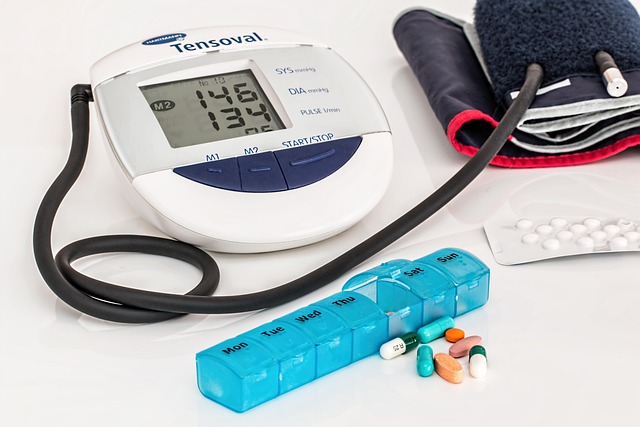
Six Sigma has emerged as a powerful methodology for transforming healthcare operations, particularly within community health centers. By focusing on data analysis and process improvement, Six Sigma offers best practices for enhancing efficiency and patient outcomes. One of its key advantages lies in its ability to unlock hidden inefficiencies in these clinics, often the backbone of local healthcare systems. The journey towards optimal performance begins with meticulous data collection and analysis—a cornerstone of Six Sigma methodology.
Effective Six Sigma initiatives in healthcare involve rigorous documentation and control, ensuring every step is well-defined and measurable. Best practices for document control include standardized templates, clear roles, and regular reviews. For instance, a community clinic might employ fishbone diagrams to conduct root cause analysis, visualising various factors contributing to long wait times. This structured approach enables staff to identify specific issues and implement targeted solutions. Moreover, Six Sigma encourages data-driven decision-making, allowing clinics to measure success accurately.
Medication administration accuracy is an area where Six Sigma can significantly impact patient safety. By applying Six Sigma principles, community centers can streamline processes, reducing errors that may arise from manual documentation or communication breakdowns. A successful initiative might involve automated prescription systems and double-checking procedures, leading to improved medication management. Measuring the success of such projects requires key performance indicators (KPIs) tailored to each clinic’s needs. Regular monitoring ensures continuous improvement, aligning with the core philosophy of Six Sigma in healthcare.
Enhancing Patient Care Through Continuous Quality Management

Community health centers play a vital role in providing accessible and comprehensive healthcare services to diverse populations. Enhancing patient care through continuous quality management is a key strategy where Six Sigma best practices can significantly make an impact. By implementing these methods, health centers can streamline processes, reduce errors, and improve overall efficiency, ultimately leading to better patient outcomes. One effective approach is using fishbone diagrams for root cause analysis, which helps identify complex factors contributing to issues in care delivery. For instance, a center might experience high wait times; through this visual tool, they can map out various causes, such as staff scheduling, patient volume, or system inefficiencies, enabling them to develop targeted solutions.
Value stream mapping is another powerful technique that aligns with best practices for Six Sigma in healthcare. It involves creating a visual representation of the current state and desired future state of care delivery processes. By mapping the steps involved, from patient arrival to discharge, health centers can pinpoint bottlenecks and unnecessary steps, allowing them to optimize workflows and enhance patient satisfaction. For example, identifying redundant paperwork or inefficient communication between departments can lead to streamlined processes, ensuring faster and more effective care. As a result, patients experience shorter wait times and better overall service quality.
Customer satisfaction in healthcare is paramount, and measuring it is essential to understanding how Six Sigma initiatives impact patients’ perceptions. Health centers can employ surveys, focus groups, or direct feedback mechanisms to gauge patient experiences. Regularly collecting and analyzing this data allows for the identification of areas of excellence and areas needing improvement. For instance, a center might discover that while patients appreciate same-day appointments, they face challenges with scheduling follow-up visits. This insight can drive targeted Six Sigma projects to improve change control processes, ensuring better continuity of care. By adhering to best practices for change control, the healthcare team can manage disruptions effectively and maintain service quality during process transformations.
To optimize these efforts, community health centers should explore tailored resources such as value stream mapping tools and workshops focused on Six Sigma methodologies. These initiatives, combined with continuous improvement mindsets, empower healthcare providers to deliver exceptional patient care. By embracing best practices for change control in Six Sigma and using data-driven insights, health centers can create a culture of quality excellence, ensuring patients receive efficient, effective, and satisfying healthcare services.
By embracing Best Practices for Six Sigma in Healthcare, community health centers can significantly enhance their operational efficiency and patient care. The article has highlighted how Six Sigma impacts community health positively, offering a roadmap to implementing data-driven improvements. Through meticulous data analysis, these centers can uncover inefficiencies and optimize processes, ensuring every resource is allocated effectively. Moreover, adopting continuous quality management strengthens patient care by fostering a culture of constant improvement. Key takeaways include the power of data in decision-making, the importance of stakeholder engagement for successful implementation, and the potential to achieve remarkable results through structured, systematic approaches. Practical next steps involve integrating Six Sigma methodologies into existing healthcare frameworks, training staff in data analysis and quality management, and regularly reviewing performance metrics to drive continuous enhancements.