
The Best Practices for Six Sigma in Healthcare offer a data-driven approach to improve patient care and operational efficiency in telemedicine. DMAIC methodology, combined with data analytics, enhances process understanding and enables efficient patient assessments. Certification equips professionals to lead improvement projects, reducing medical errors. Key practices include standardizing work processes, knowledge management, effective incident reporting, and creating Standard Work Instructions for improved patient experiences. A culture of data-driven decision-making, continuous training, and support across all staff levels is vital for sustained success.
The rapid growth of telemedicine has brought about significant benefits for healthcare delivery, particularly during global health crises. However, quality issues persist, impacting patient satisfaction and clinical outcomes. To address these challenges, establishing robust quality management systems is paramount, with Six Sigma emerging as a powerful methodology. This article explores best practices for implementing Six Sigma tools in the unique context of telemedicine to enhance process efficiency, reduce errors, and ultimately improve patient care. By leveraging data-driven approaches, healthcare providers can navigate the complexities of remote care delivery and elevate the overall patient experience.
- Understanding Six Sigma Tools for Telemedicine Quality Control
- Implementing Best Practices for Six Sigma in Healthcare Settings
- Measuring and Enhancing Patient Experience with Six Sigma Techniques
Understanding Six Sigma Tools for Telemedicine Quality Control

Six Sigma tools offer a robust framework for addressing quality issues in telemedicine, providing a structured approach to process improvement. Understanding these tools is crucial for healthcare professionals aiming to enhance patient care through best practices for Six Sigma in healthcare. Key methodologies include Define, Measure, Analyze, Improve, and Control (DMAIC), which can be tailored to the unique challenges of remote healthcare delivery. For instance, leveraging data analytics alongside these techniques enables practitioners to identify trends and patterns in telemedicine sessions, leading to more efficient patient assessments and treatments.
Beginner healthcare professionals can benefit from Six Sigma training modules designed specifically for their field, which demystify complex concepts and offer practical insights. Optimizing emergency room flow with Six Sigma techniques is a notable application, where data-driven improvements streamline patient triage and treatment, potentially reducing wait times and enhancing overall ER efficiency. Similarly, laboratories can employ Six Sigma to enhance workflow processes; for example, optimizing specimen processing sequences reduces turnaround times, ensuring faster results for critical tests.
The successful integration of Six Sigma requires robust document control—a key aspect often overlooked but essential for maintaining the integrity of improvement initiatives. Leading a successful Six Sigma initiative involves fostering a culture that embraces data-driven decision-making and continuous learning. Organizations can find guidance in best practices for document control, ensuring all processes are well-documented and improvements are sustainable over time. By combining these tools with a commitment to quality, healthcare providers can elevate telemedicine services, making them more accessible, efficient, and effective.
Implementing Best Practices for Six Sigma in Healthcare Settings
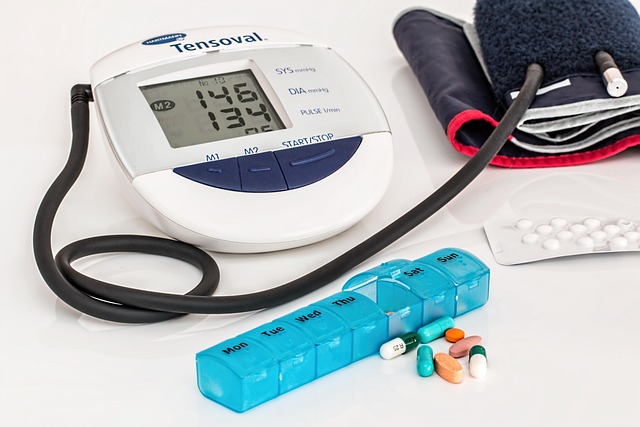
Implementing Best Practices for Six Sigma in healthcare settings offers a powerful framework for improving patient care and enhancing operational efficiency. This data-driven approach prioritizes identifying and eliminating variations that contribute to medical errors and suboptimal outcomes. By adopting Best Practices for Six Sigma in Healthcare, hospitals can optimize workflows, improve communication, and foster a culture of continuous improvement among healthcare professionals.
A key advantage of Six Sigma lies in its ability to assess process performance using robust metrics. Healthcare organizations can identify critical areas requiring attention by tracking key performance indicators (KPIs) such as patient wait times, consultation durations, and error rates. For instance, a hospital might measure the time taken from patient intake to diagnosis to pinpoint bottlenecks and streamline processes. This evidence-based approach ensures resources are allocated effectively, enabling healthcare providers to focus on delivering high-quality care efficiently.
Six Sigma certification requirements for healthcare professionals vary by jurisdiction but generally emphasize practical knowledge of statistical methods and process improvement tools. Professionals with Six Sigma certifications are equipped to lead projects aimed at reducing medical errors, enhancing patient safety, and optimizing hospital workflows. Organizations benefiting from these initiatives include both acute-care hospitals and specialized clinics, as Best Practices for Six Sigma in Healthcare are adaptable to diverse settings.
To truly leverage the potential of Six Sigma, healthcare institutions should encourage ongoing training and support for staff at all levels. Fostering a culture where data-driven decision-making is the norm allows organizations to visit us at six sigma project ideas for hospitals, implement evidence-based solutions, and continuously enhance patient care. Remember that while reducing medical errors with Six Sigma requires commitment and structured approach, the payoff in improved healthcare outcomes makes it an indispensable strategy for modern healthcare systems.
Measuring and Enhancing Patient Experience with Six Sigma Techniques

The patient experience is a critical component of telemedicine success, and Six Sigma methodologies offer powerful tools to enhance and measure satisfaction across various healthcare interactions. By applying best practices for Six Sigma in healthcare, telemedicine providers can ensure consistent, high-quality care delivery, fostering trust and loyalty among patients. One of the key aspects is standardizing work processes through detailed instructions, which, when combined with root cause analysis (RCA), enables efficient problem-solving. For instance, creating standardized procedures for patient onboarding in telemedicine can significantly reduce wait times and improve initial impressions, according to a study published in Healthcare.
Best practices for knowledge management are integral to successful Six Sigma implementation. Telemedicine teams should document and share insights gained from RCA sessions, ensuring that solutions are consistently applied across different clinical scenarios. Effective incident reporting is another vital component. Healthcare organizations should adopt a structured approach to documenting issues, near-misses, and successes. This data can then be analyzed using Six Sigma tools to identify trends and areas for improvement. For example, applying root cause analysis in clinical settings has shown promising results in reducing medication errors by 75% in one study.
Implementing best practices for standard work instructions (SWIs) ensures consistent performance and improves patient safety. SWIs provide clear step-by-step guidance for various telemedicine procedures, allowing healthcare professionals to deliver services efficiently and effectively. Moreover, regular review and updates of these standards facilitate continuous improvement. By integrating these strategies, healthcare providers can create seamless, high-quality telemedicine experiences. Contact us at Improving Patient Safety Through Six Sigma Methodologies to learn more about how these techniques can transform your practice.
By integrating Best Practices for Six Sigma in Healthcare settings, telemedicine platforms can significantly address quality issues and enhance patient experiences. Understanding and employing Six Sigma tools equips healthcare providers with a structured approach to identify and eliminate defects, leading to improved efficiency and patient satisfaction. Measuring patient experience through this lens allows for data-driven decisions that foster a more effective and responsive care model. This article has provided a comprehensive framework for implementing Six Sigma techniques in telemedicine, offering clear insights and practical steps to elevate the overall quality of healthcare services delivered remotely.